Core Gameplay Loop
Pocket Cue Challenge centers on a clear objective: clear the table by sinking all balls into the pockets. Each session begins with a standard rack, and players take turns aiming and shooting. The controls are minimal—drag to aim, release to set power, and tap to strike. This simplicity allows players to jump right in without studying rulebooks or practicing complex techniques. The game rewards careful aim and measured power, but also leaves room for playful experimentation. A successful pocket triggers a small visual celebration, reinforcing the sense of accomplishment.
Visual Style and Atmosphere
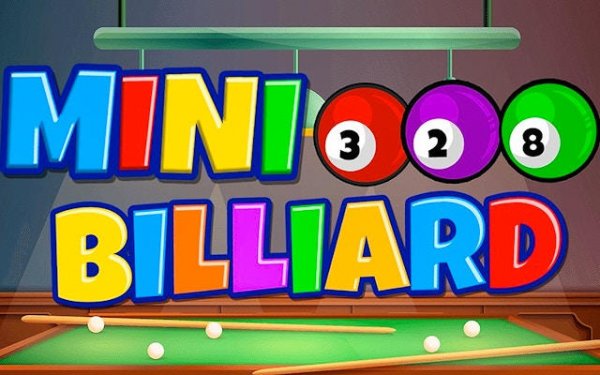
The game adopts a bright, cartoon-like aesthetic that appeals to younger audiences. Tables feature vivid colors, and balls are distinct with clear markings. Animations are smooth but not distracting, with gentle cues for pocketing and misses. The overall look avoids any realistic or gritty elements, maintaining a safe, wholesome environment. This design choice ensures that the game remains visually engaging without overwhelming the player. The cheerful palette and friendly animations contribute to a relaxed mood, encouraging repeated play.
Accessibility and Control Design
Controls are built for touchscreens and mouse input alike. Players can adjust their shot by dragging the cue stick backward or forward, with a visible power indicator. The interface is uncluttered, with no hidden menus or complicated settings. This makes the game accessible to those with limited gaming experience, including young children and older adults. The lack of time pressure or score penalties for missed shots further reduces stress. Players can take as long as they need to line up each attempt, promoting a calm, thoughtful approach.
Variety and Replay Value
While the core rules remain constant, Pocket Cue Challenge may include different table layouts or ball color schemes to keep the experience fresh. Some versions might offer themed backgrounds or adjustable difficulty settings, such as smaller pockets or faster ball movement. These variations do not change the fundamental gameplay but provide enough novelty to prevent monotony. The game is designed for short sessions, making it easy to pick up for a few minutes or extend into longer play periods. This flexibility suits both quick breaks and extended family gatherings.
Learning Curve and Skill Development
New players will find the game immediately approachable, but there is subtle depth for those who wish to improve. Learning how ball collisions work and how spin affects trajectory comes through natural trial and error. Over time, players develop a feel for shot strength and angle, leading to more consistent pocketing. The game does not punish mistakes harshly, so each session becomes a low-stakes opportunity to refine technique. This gentle learning curve ensures that frustration stays low while satisfaction grows with each small improvement.





Comments
0 comments