Core Movement and Control
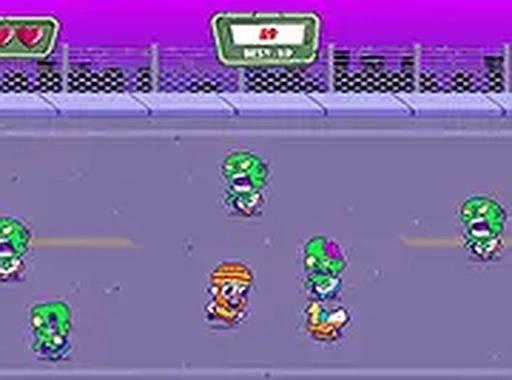
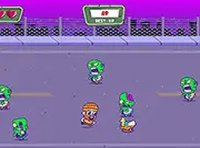
Barrier Sprint Coordination Challenge relies on precise character positioning. Players use keyboard or mouse inputs to shift their character left or right along a horizontal track. The core loop involves moving to avoid incoming barriers while staying centered enough to collect scattered items. Controls are responsive, allowing for quick adjustments as the path ahead becomes visible. The game rewards players who can anticipate upcoming obstacles rather than simply reacting to them.
Item Collection and Progression
Scattered along the track are collectible items that serve multiple purposes. Some unlock additional character appearances, while others may introduce temporary changes to the gameplay pace. Collecting these items requires careful positioning, as they often appear near barriers. Players must weigh the risk of grabbing an item against the need to maintain forward momentum. The variety of items adds a layer of strategic decision-making to each run.
Difficulty Curve and Endless Format
The challenge increases over time as the frequency and complexity of barriers grow. Early runs allow players to learn basic movement patterns, but later stages demand faster reactions and more precise timing. Because the course is endless, no two sessions play out identically. The gradual ramp in difficulty keeps the experience engaging for both newcomers and those seeking a longer session. Players who survive longer face denser obstacle arrangements that test their coordination.
Visual Feedback and Responsiveness
The game provides clear visual cues for incoming obstacles, allowing players to plan their next move. Character movement feels immediate, with no noticeable input lag. This responsiveness is essential for a game centered on timing. The clean visual style helps players focus on the action without unnecessary distractions. Feedback from item pickups and barrier contacts is immediate, reinforcing the cause-and-effect nature of each decision.
Comparing Results and Personal Goals
Players can track their longest runs and compare scores with others. This competitive element encourages repeated attempts to improve personal bests. The game does not require an account to play, making it easy to jump in for a quick session. The focus on self-improvement rather than external rewards keeps the experience centered on skill development. Each attempt provides a chance to refine timing and learn from previous mistakes.






Comments
0 comments