Core Climbing Mechanics
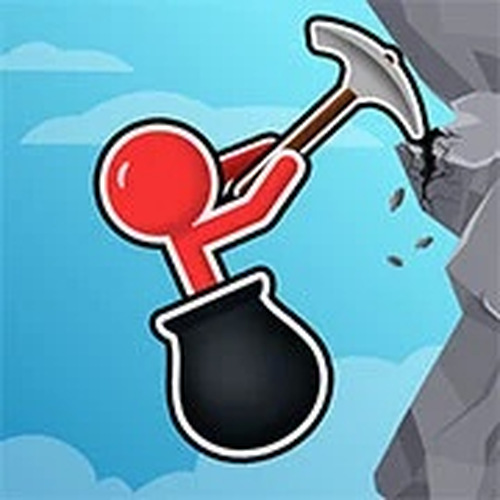
Players control a simple stick figure character whose goal is to ascend a tall structure made entirely of stacked ceramic pots. The primary action involves leaping from one pot to the next, requiring precise timing to land safely. Each pot has a small surface area, so balancing becomes increasingly important as the tower grows higher. Missing a landing may cause the character to slip and fall, resetting progress to a lower section. The game rewards careful observation and measured jumps rather than speed.
Cooperative Play Dynamics
A two-player mode allows friends to climb together, adding a layer of coordination to the experience. Players must time their movements to avoid bumping into each other, which could disrupt balance. Working together to reach greater heights encourages communication and shared strategy. The cooperative aspect turns each session into a lighthearted challenge where success depends on mutual support. Single-player mode offers the same core climbing experience for those who prefer solo play.
Visual and Control Design
The game features clean, minimal visuals with a focus on the climbing action. The stick figure character and pot tower are clearly visible against a simple background, making it easy to track movement. Controls are straightforward, typically involving directional inputs and a jump button. This simplicity makes the game accessible to younger players while still offering enough nuance to engage experienced gamers. The responsive controls ensure that each jump feels connected to player input.
Progression and Difficulty Curve
As players climb higher, the spacing between pots may become more challenging, requiring more precise jumps. The increasing difficulty keeps each attempt fresh and provides a sense of accomplishment when reaching new heights. The game may include an endless climbing mode where the tower generates procedurally, ensuring no two sessions are identical. This design encourages repeated play without becoming predictable.
Comments
0 comments