Spelling Under Pressure
Letter Clue Quest hands you a fixed set of letters and a single clue. Your job is to type the word that fits both. The letters are your only building blocks, so the challenge is not just knowing the answer but assembling it from what is in front of you. A countdown clock runs during each round, turning every puzzle into a quick vocabulary test. Categories rotate across rounds, covering characters, food, animals, places, transport, and sports, which keeps the subject matter from settling into one narrow lane.
Rope, Water, and Wrong Guesses
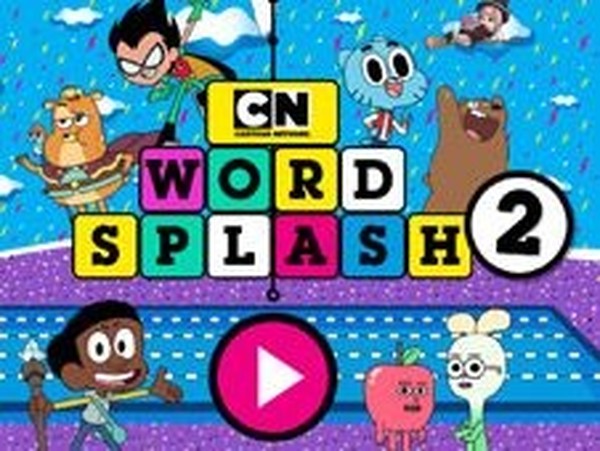
Cartoon Network characters hang from a rope above water. Every incorrect guess lowers the character further down. This visual feedback does two things: it shows how many mistakes you have left before the round ends badly, and it ties the puzzle to a lighthearted, family-friendly theme. The character on the rope does not change how the puzzle works, so you can pick a favorite without worrying about hidden advantages or penalties.
Easy and Hard Modes
Before a round begins, you choose easy or hard. Easy mode uses more common words and simpler clues, with a more forgiving clock. Hard mode pulls from more obscure vocabulary and shortens the time limit. The setting can be changed between rounds, so you are not locked into one difficulty for an entire session. That flexibility matters if you want to warm up on easy puzzles before switching to harder ones.
Hints, Penalties, and Scoring
A hint button sits on the right side of the screen. Pressing it reveals one letter of the answer, but it costs you: the remaining time is reduced or a small score deduction is applied. The penalty is designed to make hints a last resort rather than a routine step. Your score reflects correct answers, how quickly you respond, and whether you used hints. Faster solves earn more points, and finishing a round without hints gives a multiplier. Between rounds you can pause and think without the clock running.

Comments
0 comments