Atmosphere & Setting
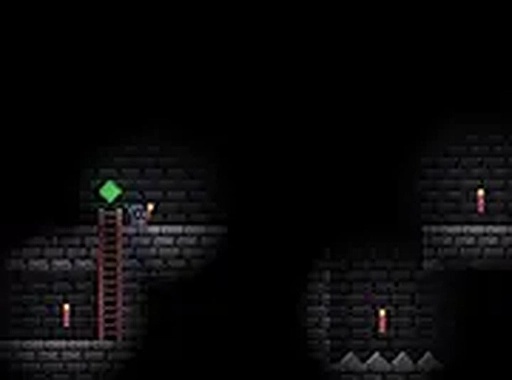
Mystic Corridor Puzzle Quest places players in a dimly lit network of ancient hallways. The environment relies on subtle visual cues rather than direct guidance. Shadows and faint light sources hint at paths forward, while the absence of a map forces careful attention to surroundings. This design choice encourages methodical exploration and rewards players who notice small details.
Core Puzzle Mechanics
Each section of the corridor presents a unique logic challenge. Players must interact with objects in the environment, such as levers, pressure plates, and hidden switches. The puzzles are designed to test pattern recognition and sequential thinking. Some require timing, while others depend on remembering visual clues from earlier areas. The difficulty increases gradually, introducing new elements without overwhelming the player.
Controls & Interface
The game uses standard keyboard and mouse inputs for precise control. Movement is handled with arrow keys or WASD, while clicking on objects triggers interactions. The interface remains minimal, keeping the focus on the environment. A full-screen option is available for those who prefer an immersive view. The controls are responsive, making it easy to attempt tricky jumps or quick interactions.
Progression & Discovery
Advancing through Mystic Corridor Puzzle Quest requires both puzzle solving and thorough exploration. Hidden alcoves and secret passages contain items that help unlock new areas. The game does not provide explicit objectives, so players must deduce their next steps from environmental hints. This open-ended approach creates a sense of genuine discovery as each new corridor reveals more of the underlying mystery.
Family-Friendly Design
The content is suitable for all ages, with no violence or mature themes. The challenges focus on mental agility rather than reflexes, making it accessible to younger players and adults alike. The gentle difficulty curve ensures that frustration is minimal, while the rewarding puzzle solutions keep engagement high. Parents can feel confident allowing children to play independently.







Comments
0 comments